What to Keep in a Home First-Aid Kit?
Updated on 23 January, 2026
Updated on 23 January, 2026
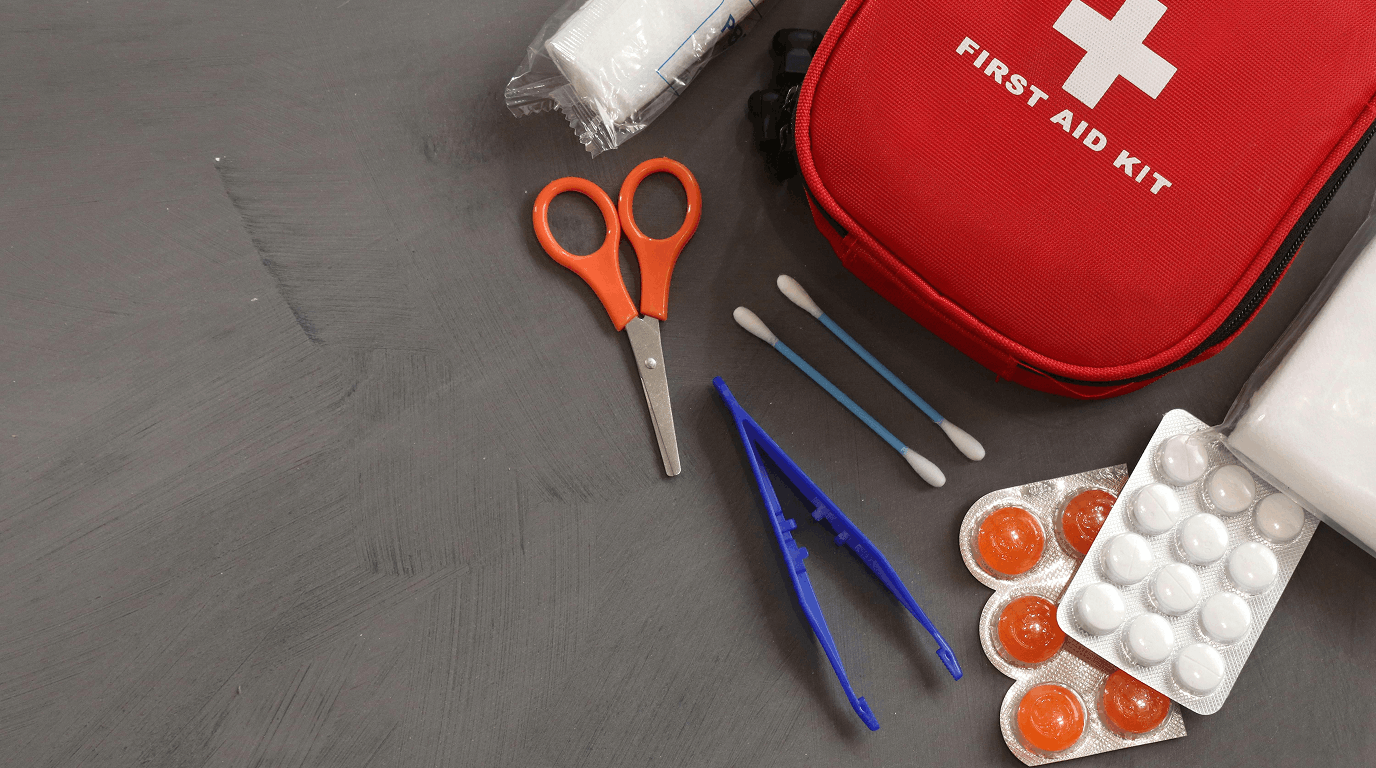
Every household has a familiar box or a rack stuffed with crocin strips, half-used ointments, a few bandaids, cough syrups and a dusty thermometer. You could call it a first aid kit, but it isn’t. A first aid kit is a ready-for-action kit designed to handle sudden injuries, minor cuts or medical emergencies before professional help is available. Every home first aid kit is useful for immediate care, control and prevention.
In this article we cover what to keep in a home first aid kit. You will find a list of practical, essential items other than a collection of pills and ointments.
To put together your first aid kit at home, here are all the items you will need category-wise:
For abrasions, bruises or minor injury with bleeding, you will need these things to tend to the wound.
For burns caused by accidental spilling of hot liquids or touching hot metal, surfaces or fire burns, your home first aid kit should have:
Every first aid kit should include medicines meant for immediate relief. It’s always best to consult a doctor before stocking pain relievers, anti-allergy tablets, antacids, or cough syrups, as not all medicines are suitable for every age group.
Choose and store only those options that are appropriate for the members of your household, from the list below:
A first aid kit at home is incomplete without having the necessary tools to measure symptoms or start basic treatments. These include:
The list may seem a bit longer, but for a ready-to-use first aid kit at home you must have all these items. In addition for sanitation and hygiene, also keep a few tissues, disposable wipes and a hand sanitizer.
Your first aid kit at home should be in a place where everyone can reach it quickly. Instead of keeping multiple small plastic boxes, keep a slightly bigger box which can fit all the essentials.
Keep it in a dry area such as a kitchen cabinet, drawer in the hall or a shelf in the living area. Keep it away from direct sunlight as it can reduce the effectiveness of some antiseptic medicines and tablets.
If there are toddlers or small children in your home, please keep it safe in a spot that they cannot access easily.
You’re aware of what to keep in a first aid kit at home, but just stocking it and forgetting about it is just as dangerous. Do a thorough check every 4-6 months to ensure the medicines haven’t expired. Check the conditions of bandages, the stickiness of bandaid glues and the batteries of the tools. If something has been used up since the last injury/illness, ensure it’s replaced with new ones. During seasonal changes, like monsoons, winter cold and allergy seasons, keep a stock of the necessary cold, fever and anti-allergy medicines.
Your first aid kit at home should be filled with stuff that is current and ready to be used.
Lastly, for added measure, keep a small paper which has an emergency contact number of nearby doctors or healthcare professional services. Keep it folded in this first air kit at home. In case of any emergencies, if you’re not available, or worse, if you’re the one injured and need immediate help, you can call these numbers.