How to Handle a Severe Allergic Reaction at Home?
Updated on 23 January, 2026
Updated on 23 January, 2026

An allergic reaction does not build up slowly or give you much time to think. If there’s an unsuitable foreign substance in your body, the immune system starts acting up resulting in swelling, hives, difficulty in breathing, nausea, rashes and more. Severe allergic reactions or anaphylaxis are dangerous and can turn life threatening without immediate access to help. It’s thus very important to identify allergy symptoms and know how to handle severe allergic reactions at home.
An allergic reaction is caused due to sensitivity to certain substances, called as allergens. These can be triggered by certain foods, medicines, pet hair, insect stings and pollen among other things.
On contact with an allergen, the body’s immune system releases several chemicals that cause changes within the body. Allergic reactions are often mild but some can be severe resulting in an anaphylactic shock. This is the most severe form of allergy.
Common symptoms of a severe allergic reaction are:
These are some of the symptoms and all of them do not show up together. Be aware about your body or a history of related allergic reactions in the family.
Not everyone experiences the same allergy symptoms. But if you think someone is having a severe allergic reaction at home, here’s what to do:
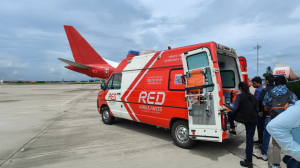
Do not wait hoping the symptoms would subside on their own. In case of severe allergic reactions, the symptoms only worsen, so call emergency medical services. If you feel the person is becoming dizzy or falling unconscious, reach out and call for an ambulance.
Epinephrine is a hormone/neurotransmitter that helps in a body’s fight-or-flight response. If the family has a history of allergies, chances are you have the auto-injector at home. Inject it into the outer thigh of the patient. Keep the person lying down as you administer this.
It reaches the adrenal gland and travels through your blood to all parts of the body and reacts rapidly to the allergy symptoms.
Help the patient loosen their tight clothing, if any, and keep monitoring their pulse and breathing. If you think they’re losing consciousness, you may have to perform CPR. Try to be on call with medical services, so they can guide you accordingly.
In case you have used the autoinjector and the person returns to normal, do not brush aside the incident. Some severe allergy symptoms may return after initial relief. Reach your doctor to know the further course of treatment or preventions.
1. What are common food allergens?
The most common food allergies that cause almost 90% of reactions have these allergens – milk, eggs, tree nuts, soy, fish, shellfish, sesame, eggs, and peanuts.
2. How long do allergies last?
3. What is the quickest way to stop an allergic reaction?
4. How do I find out if I have allergies?
5. Should I give water during a severe allergic reaction?