How to Recognise the Signs of a Stroke
Updated on 23 January, 2026
Updated on 23 January, 2026
You’re sitting next to someone, talking normally when their speech suddenly turns slurred, eyes seem unfocused and they struggle to maintain their balance. It could be a stroke and the next few minutes matter. Knowing how to recognise the signs of a stroke helps you act fast before the damage worsens. This article breaks down the early symptoms and what to look for.
According to awareness reports , India records a brain stroke every 20 seconds! It thus becomes highly important to create awareness of the early signs and symptoms of stroke.
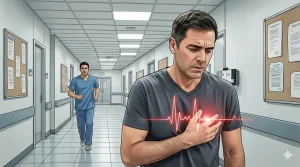
A common misunderstanding is that strokes are similar to heart attacks. But a stroke and heart attack are not the same.
A stroke is caused by a blockage of blood flow to the brain. It can be due to a blood clot or rupturing of a blood vessel. The brain gets deprived of oxygen and key nutrients, leading to rapid damage in further body functioning.
During an ischemic stroke: a blood clot blocks the artery supplying blood to the brain.
A hemorrhagic stroke: a blood vessel bursts and causes bleeding around the brain.
Both these conditions result in reduced oxygen supply, which causes the death of brain cells. An immediate sign of stroke is defect in speech, losing balance, vision problems or loss of consciousness, depending on the severity. If help or medical treatment is delayed post a stroke, it can even result in a severe disability for the patient.
If it’s a major stroke and the brain cells damage quickly, it could even lead to death. So recognising the signs of a stroke in time and reaching for medical help is important.
A widely accepted acronym Act “FAST” is used to identify stroke symptoms.
These are the most common symptoms of stroke. As the person in charge around the patient, note the approximate duration when you start noticing the symptoms. This will help healthcare providers to decide the treatment plan.
A transient ischemic attack (TIA), often called a mini stroke shows the temporary effects of a stroke-like situation. The symptoms go away after a few minutes. These are said to be warning signs in some patients, who have a high risk of getting a stroke soon. For preventive measures, it is essential to recognise these other signs of stroke too:
A stroke is a medical emergency, just as a heart attack. Once you recognise the signs of a stroke and call for help, know you’ve done the right thing. DO NOT give the patient any medication, a lot of water or any food. Ask the healthcare professionals for the next step, if they’re on the line during the call.
1. Is a stroke the same as a heart attack?
No. A stroke and heart attack are not the same. Although both medical emergencies are caused by reduced blood supply, they involve different organs. Stroke impacts the brain, while a heart attack is when blood flow is blocked to the heart.
2. How to prevent a stroke?
3. Can a young person have a stroke?
4. How fast do stroke symptoms appear?