What to do if someone is having a heart attack?
Updated on 19 January, 2026
Updated on 19 January, 2026
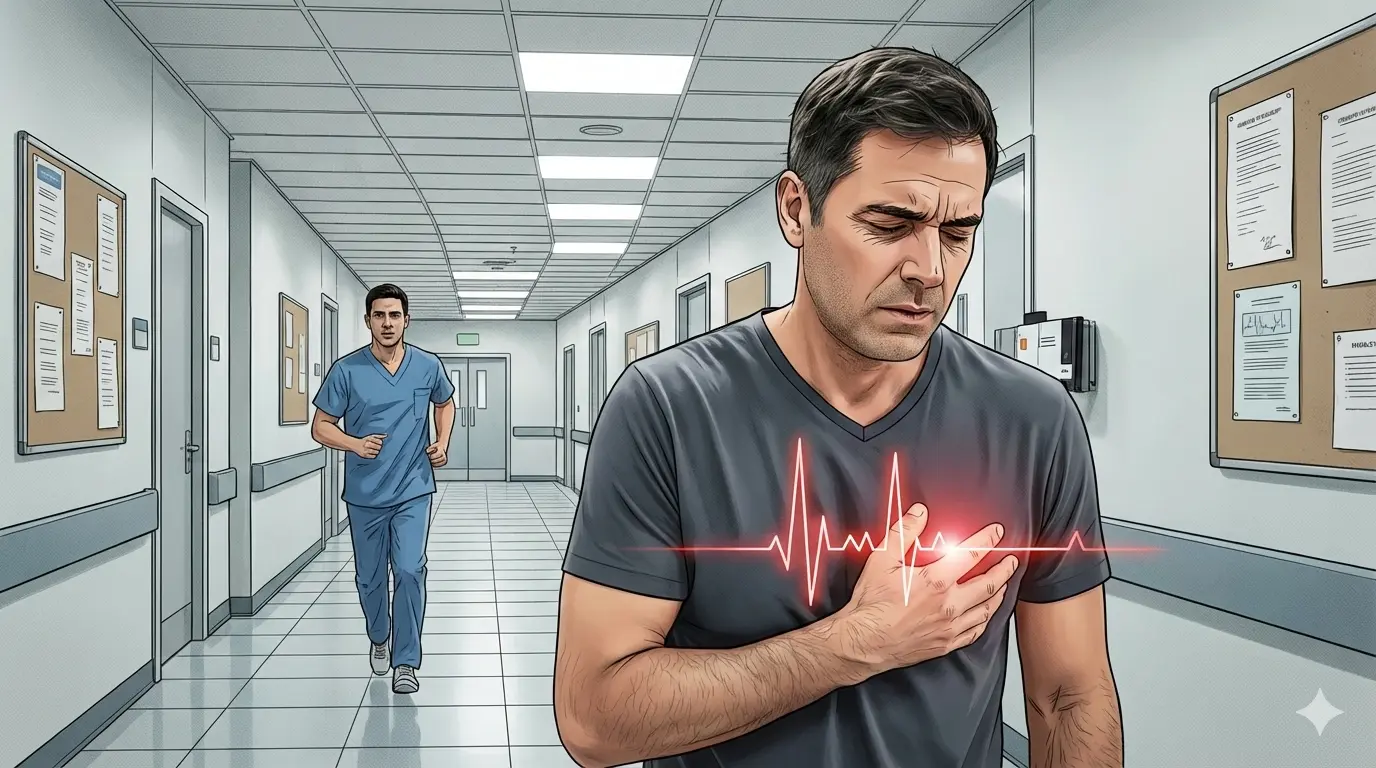
Heart attack is a medical emergency. It doesn’t announce itself but requires prompt response from those around. If you or someone is having a heart attack, call for medical help. Don’t second-guess or scroll for solutions online because every second counts.
Here’s a quick guide on what to do if someone is having a heart attack.
Time is crucial when dealing with heart attacks. Dial emergency medical services near you and give details about the person, age, location and exact address of the patient. Request them to stay on call and seek guidance on how to deal with the situation.
Many times, people are aware if they’re experiencing a heart attack like condition. In any case, make them sit against a wall or lie down on the floor while help arrives. Loosen the clothing around their chest and neck region.
If the person is experiencing chest pain that comes and goes, it could be angina pain. It happens when the heart is not receiving enough blood flow.
If the person has any prescribed medicine for chest pain, help them take it with a small sip of water, just enough to swallow. Even if the person asks for more water, wait until medical professionals arrive on spot. Sometimes, Aspirin is recommended to avoid formation of blood clots, but make sure the person doesn’t have an allergic reaction to it.
What to do in angina pain? The most common medicine treatment is Nitrogylcerin pills, which should be administered with doctor’s advice.
Only if the person having a heart attack becomes unconscious and stops breathing, administer CPR or cardiopulmonary resuscitation. CPR is only to be done when the heart attack triggers a cardiac arrest, a much more serious condition.
The Right Way to Do CPR if you’re untrained
To know an instance of heart attack, it is important you know the symptoms to recognize one. However, the symptoms can vary from one person to another. Frequent signs of heart attack among adults include:
When someone is having a heart attack, the wrong response can be just as dangerous as doing nothing. Panic, assumptions and mistakes often delay help and worsen the situation. Knowing what not to do is critical to keeping the person stable until medical professionals take over.
1. Is a heart attack and cardiac arrest the same?
No. A heart attack occurs when blood flow to the heart is blocked, but the heart usually keeps beating. A cardiac arrest is when the heart suddenly stops beating, causing immediate collapse and loss of consciousness.
A heart attack can sometimes lead to cardiac arrest, but they are not the same condition.
2. What should you do if someone is in cardiac arrest?
3. Can a heart attack happen without chest pain?